Between Stimulus and Response: Finding Freedom in the Pause
“Between stimulus and response there is a space. In that space is our power to choose our response. In our response lies our growth and our freedom.”
— Viktor E. Frankl
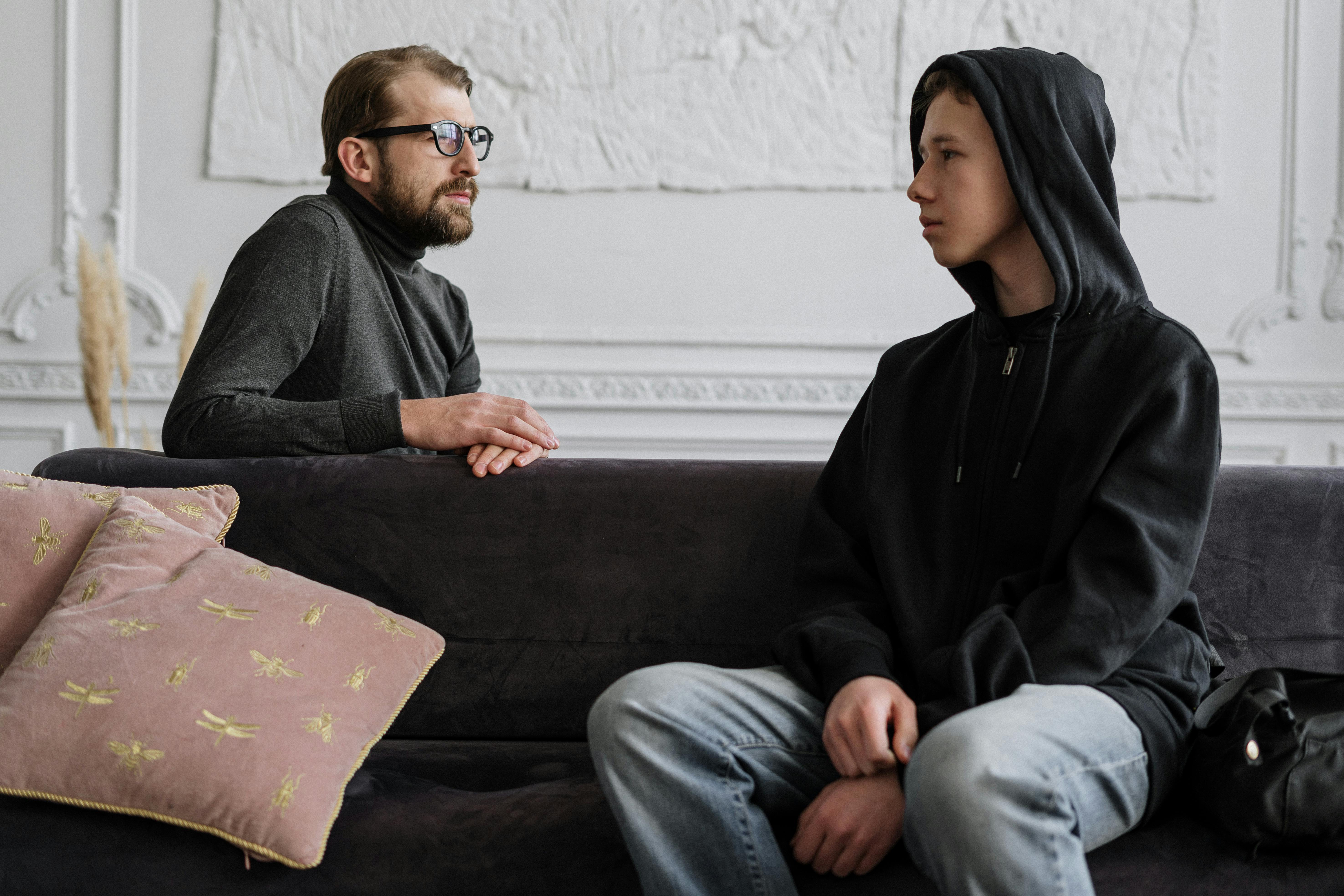
We all experience moments when something triggers us—whether it’s a sharp comment, a stressful situation, or an unexpected challenge. Our habitual reaction might be to lash out, shut down, or spiral into overthinking. But what if, instead of reacting automatically, we used these moments as opportunities for growth and self-awareness?
Pause Before Reacting: The Power of 30–90 Seconds
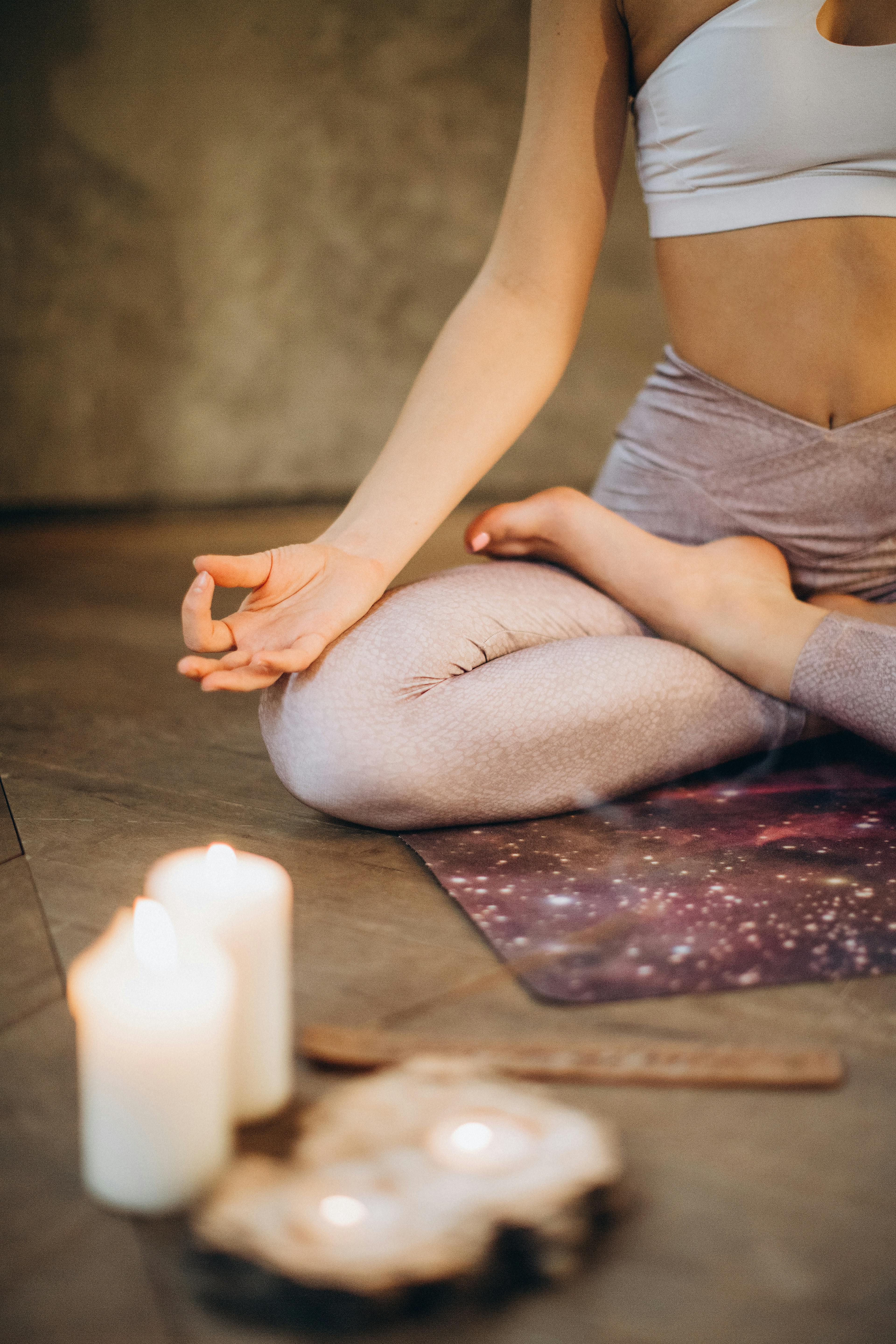
The next time you feel triggered, stop. Take 30 to 90 seconds to turn inward and observe what is happening within you. Instead of getting lost in the story your mind wants to tell, shift your focus to your body and the sensations arising.
Close your eyes if it helps. Feel where tension or discomfort is present. Begin connecting with your breath—intentionally slowing it down. Rather than engaging with your thoughts, tune into the sensations and physiological energy in your body.
Common Physical Sensations When Triggered:
- Tightness in the chest or throat
- A racing or pounding heart
- Shallow or rapid breathing
- A knot in the stomach
- Tension in the shoulders or jaw
- A sudden feeling of heat or cold
- A sense of restlessness or the urge to move
From Sensation to Awareness

After about one minute, shift your attention to your thoughts and emotions. The key here is observation, not identification.
Simply notice what thoughts and feelings arise without engaging with them or believing them to be absolute truth. Just let them be. Observe their presence, and then watch them leave—like waves rolling onto the shore and receding.
When we don’t cling to thoughts, they enter our consciousness and then fade away on their own. This practice weakens their emotional grip over us, allowing us to respond consciously instead of reacting impulsively.
Breaking Old Patterns: Questions to Ask Yourself
Once you’ve noticed your body’s response and observed your thoughts without attachment, ask yourself:
- Is this a reaction from my past, or is it truly happening now?
- Am I responding from an old belief or fear?
- Am I actually being rejected, or does it just feel that way?
- Am I in real danger, or does my body simply remember a past experience?
By creating space between stimulus and response, we weaken the automatic patterns that have ruled us for so long.
True Change Happens in the Present Moment
Transformation doesn’t happen in the past or the future—it happens now. Every time we consciously choose to pause, observe, and respond differently, we rewire our nervous system and create new pathways for healing.
Simply witnessing our thoughts and emotions— without judgment —is the first step to freedom.
“Whenever you want to change something, observe it without judgment.”
May you find mindfulness and transformation in every moment.